“A People’s House” No More: The Tragedy of the White House East Wing Demolition
I’ve been trying to put into words what it feels like to watch history being bulldozed (literally) at the heart of our democracy. The news that the East Wing of the White House is being torn down to make way for a massive, gilded ballroom is so beyond tone-deaf, so emblematic of misplaced priorities, that it warrants a full reflection.
The Facts: What’s Actually Happening
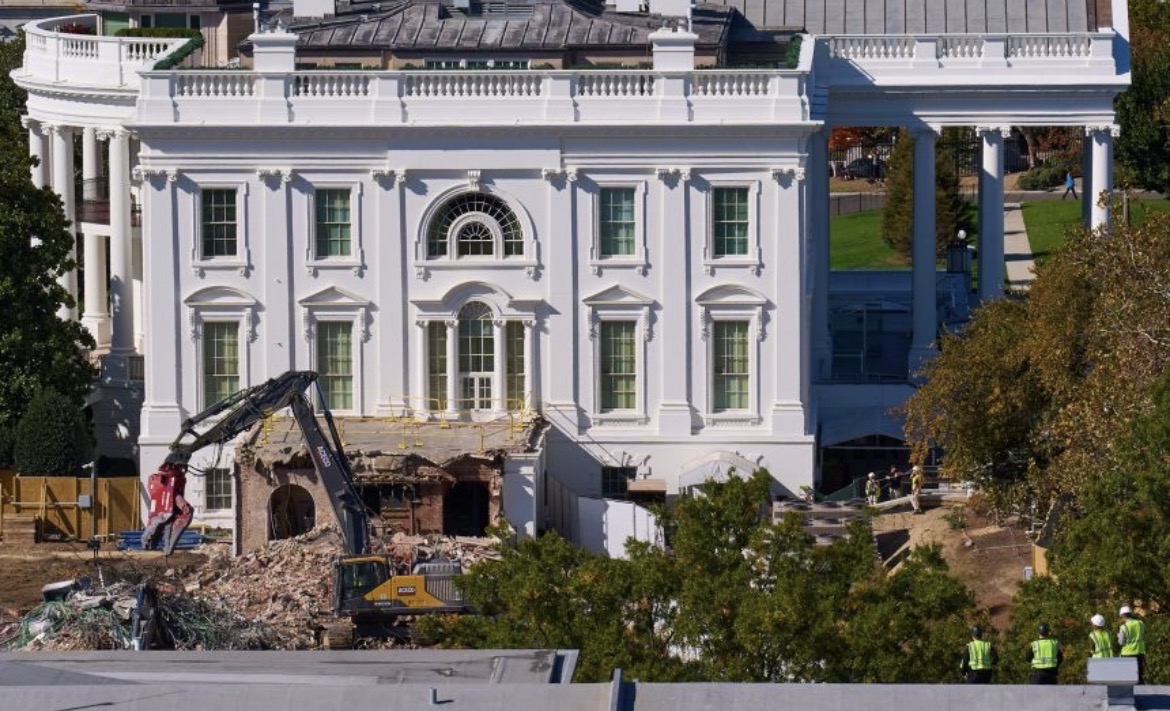
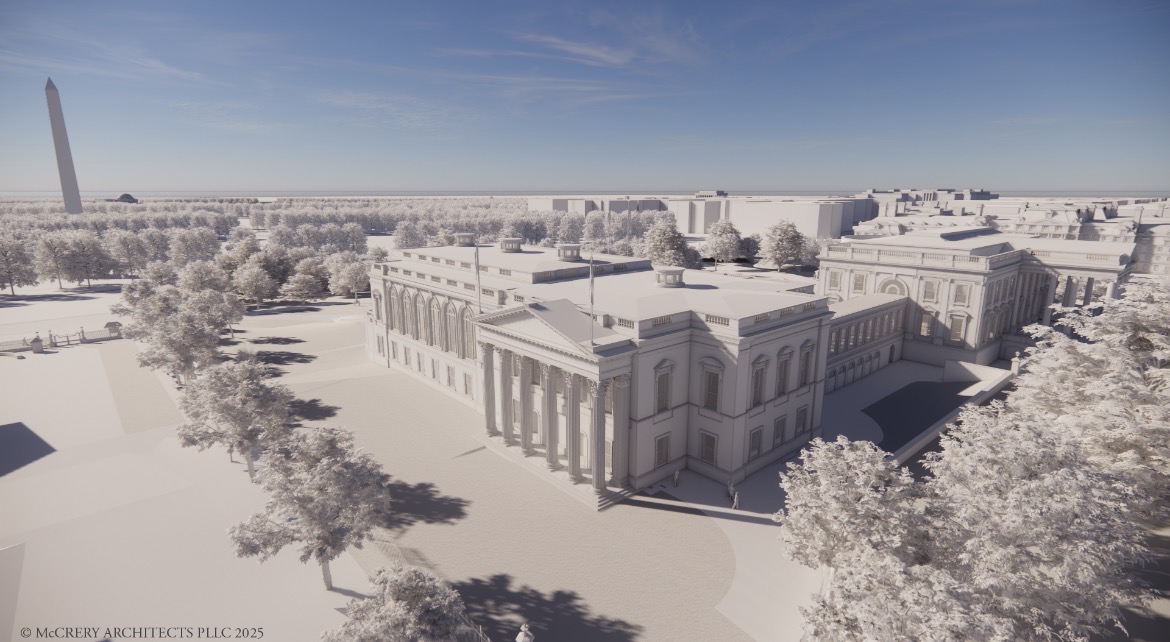
- The East Wing of the White House — a building that housed the first lady’s offices, visitor entrance, and historic event spaces — has been marked for demolition as part of a plan by Donald J. Trump to build a new 90,000-square-foot ballroom.
- Demolition crews began tearing down parts of the East Wing as of October 20, 2025.
- What was initially claimed to be a “modernization” of the existing structure has morphed into a full teardown of the East Wing to build from scratch.
- The project is reportedly privately funded—but the details of the funding, the donors, and the oversight remain murky.
- Preservationists, historians and watchdogs are alarmed: this is arguably the biggest structural change to the White House since the mid-20th century.
Why It’s So Horrible
1. It destroys a piece of
living history
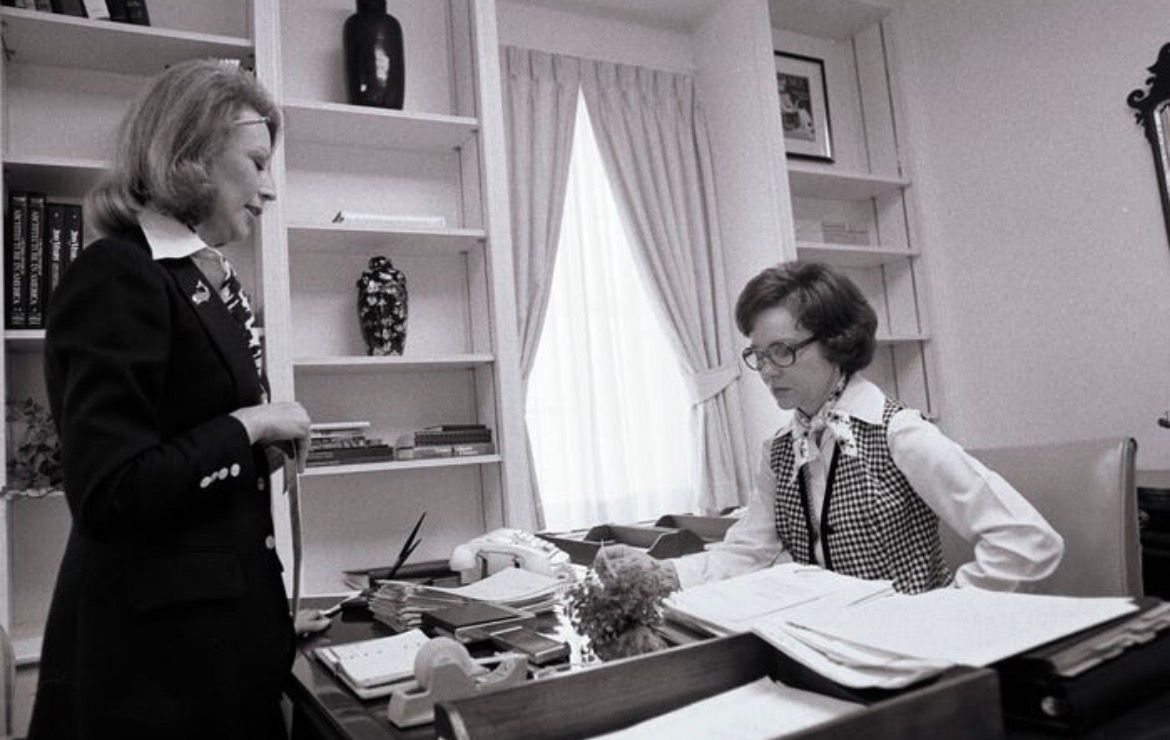
The East Wing wasn’t some utility building. It stood for decades as the place where first ladies worked, cultural events happened, tours were organized, and guests were welcomed.
When you tear that down, you don’t just “modernize” you erase. You remove the physical imprint of generations of civic architecture, social history, and public access.
2. The symbolism is jarring
The White House is the People’s House. It is supposed to embody national memory, continuity, humility (in the service sense), and the weight of the office. Replacing one of its wings with a gold-coloured mammoth ballroom screams vanity.
3. Misplaced priorities at a time of crisis
When many households are struggling with the cost of living, when preserving what we already have matters more than ever, this seems like the absolute opposite of what public architecture should reflect.
It raises questions: Are we investing in public life and shared legacy, or private spectacle?
4. Lack of transparency & accountability
Documents, reviews, public consultation appear to have been bypassed or minimal. The required federal review bodies are being questioned.
When you are altering a national landmark, you expect visible oversight not retroactive “we’ll submit plans later.”
5. Irreversible change
Once the East Wing is gone, it cannot simply be put back. Even if the new structure has some historic references, the original material, the worn corridors, the offices where first ladies met with citizens those are lost.
As one historian commented: demolishing is not reversible.
A Personal Reflection
I keep imagining visitors standing on Pennsylvania Avenue, looking across at the White House and recognizing something is missing. A wing gone. A façade interrupted. A sense of continuity broken.
And I feel anger not just political anger, but cultural sadness: the sense that we are accepting, even normalizing, the idea that monuments to shared civic identity can be swapped out for personal aggrandizement.
I want to believe that the White House stands above individual vanity, party politics, and short-term spectacle. This project undermines that belief. It treats the building as property to be customized rather than heritage to be stewarded.
The building at 1600 Pennsylvania Avenue isn’t a luxury resort. It’s not a private club. It is the symbol of the Presidency, of American governance, and of the trust we place not in one individual, but in the institution.
Watching part of it being razed feels like watching trust being chipped away, brick by brick. And yes…horrible is exactly the right word.
Resist ✊
Sean