An 11-Year-Old Girl Reported Deportation Bullying at School. She Should Still Be Here.
Jocelynn Rojo Carranza’s death should force us to confront what happens when anti-immigrant rhetoric leaves political rallies and enters America’s classrooms.
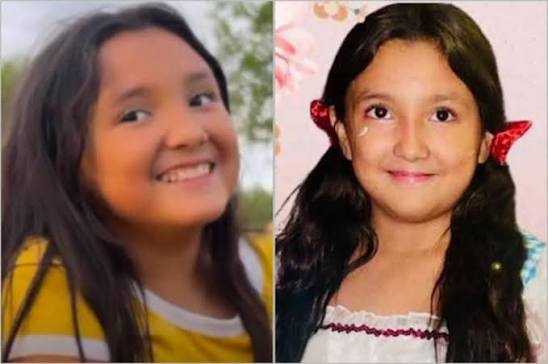
Jocelynn Rojo Carranza was 11 years old.
Eleven.
She should have been worrying about homework, friends, what she wanted to do over the weekend, and all the completely ordinary things an 11-year-old is supposed to worry about.
Instead, according to her family and her Texas school district, Jocelynn was dealing with harassment involving ICE and deportation.
Jocelynn died by suicide in February 2025.
And I think her story deserves to be remembered, especially now, because the language we use about immigrants doesn't stay inside Washington, D.C. It doesn't disappear when the television gets turned off.
Kids hear it.
And sometimes they repeat it.
The harassment was reported
This isn't based solely on something circulating around social media.
Gainesville Independent School District investigated what happened and confirmed that Jocelynn had reported another student making comments about ICE and deportation toward Hispanic students.
According to reporting on the district's findings, Jocelynn went to her principal on January 30 and reported the behavior.
Her mother said Jocelynn had been taunted with claims that her family could be deported and that she could be left alone.
And here's another detail that makes this whole thing even more disturbing:
Jocelynn was born in the United States.
She was an American child being forced to carry the fear surrounding America's immigration crackdown.
This is bigger than one school
I want to be careful here because Jocelynn's death is not something that should be turned into a political prop.
We also cannot responsibly claim that one specific incident or person caused her suicide. Suicide is complicated, and the available evidence doesn't establish something that definitive.
But we absolutely can talk about the environment surrounding this child.
Because something is deeply wrong when 11-year-olds understand deportation well enough to weaponize it against other children.
Where do we think they're learning that?
Children aren't born understanding ICE raids, deportation threats, immigration status or the political obsession with deciding who supposedly belongs in this country.
They're hearing adults talk about it.
They're hearing politicians talk about it.
They're seeing videos.
They're hearing conversations at home.
They're absorbing a political culture where immigrants are routinely discussed as threats, criminals and people who should be rounded up and removed.
Then some of that language walks straight through the school doors with them.
Words don't magically stop being dangerous because a politician said them
This is the part of the immigration debate that gets erased far too often.
We talk about immigration numbers.
We talk about border crossings.
We talk about raids.
We talk about deportation statistics.
But behind every one of these political conversations are actual human beings.
Families.
Parents.
And children.
Children who may go to school wondering whether their parents will still be home when they get back.
Children who hear classmates joking about ICE.
Children who are American citizens themselves but understand that their last name, skin color or family background can make them a target anyway.
That isn't some abstract policy debate.
That's fear becoming part of childhood.
Jocelynn should still be here
There are going to be people who read this and immediately try to turn it into another argument about immigration policy.
That's not what I'm interested in doing.
I'm asking something much simpler:
What kind of country are we creating when deportation becomes playground ammunition?
Adults can debate immigration policy.
Congress can fight about legislation.
Presidents can argue about enforcement.
But an 11-year-old child should never have to carry the weight of those battles into a classroom.
Jocelynn deserved to grow up.
She deserved birthdays.
She deserved middle school, high school, stupid teenage mistakes, friendships, heartbreaks, graduation and an entire adulthood that we'll never get to see.
Her story shouldn't become another headline that disappears after a few days.
It should make us think very seriously about the political environment we're creating for the children listening to us.
Because they are listening.
And sometimes the consequences of the things adults normalize reach much further than we ever want to admit.
-Sean