Democrats Won the Wave. Now They Have to Earn What Comes Next.
The election delivered power. Turning it into accountability, material change and a durable governing coalition will take more than a victory lap.
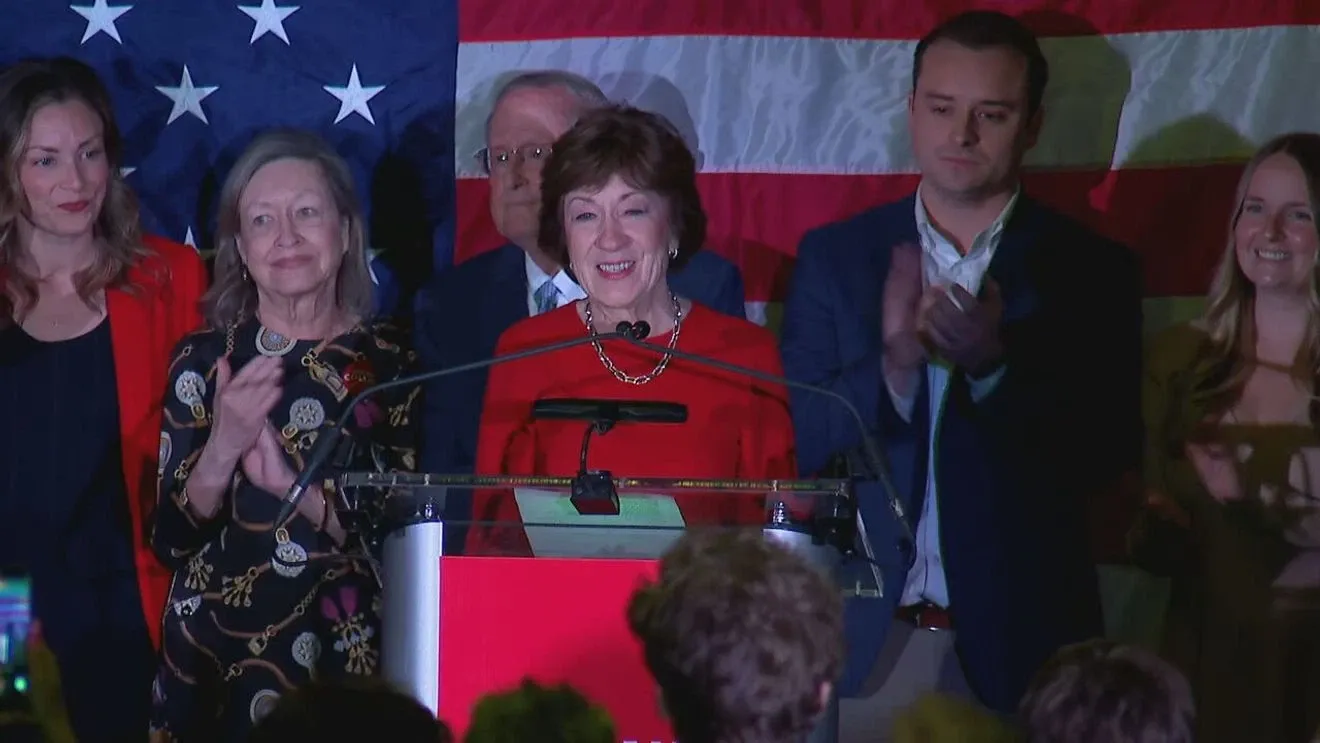
We worked for this. People organized, knocked doors, challenged lies, covered stories that deserved more attention and kept showing up when exhaustion would have been easier.
Now Democrats have won control of the House and Senate. The Associated Press called both chambers for the party after Tuesday’s election. Some individual races remain unresolved, but the central outcome is clear: Washington is headed for divided government.
We should celebrate. We should also be very clear about what happens next.
The people who made this possible did not work this hard to watch Democrats turn a historic opening into two years of cautious statements and fundraising emails.
The party has an opportunity to expose abuses of power, defend people under attack and build a credible case for governing in 2028. Whether it does those things will depend on decisions it starts making now.
Understand the victory before claiming ownership of it
A broad election victory does not prove that every winning candidate’s position is popular. It does not settle every argument between progressives and moderates. And it does not give the people already running the party automatic ownership of the result.
Reuters’ reporting on the Democratic victory describes a combination of economic frustration, opposition to Trump and investment in candidates and organizing beyond the usual battlegrounds. That is a stronger starting point than declaring that one faction has been vindicated everywhere.
Democrats should study where they gained, who turned out, which communities remained disengaged and what local organizers actually did. A national swing and a strong local campaign can happen at the same time. Understanding their relative importance takes evidence.
The practical lesson is to keep investing in places the party once treated as unwinnable. Support local candidates, maintain field operations and give organizers a reason to believe the national party will still answer their calls after Election Day.
Nobody builds a durable coalition by treating communities as temporary campaign assets.
Know what the majority can actually do
The new congressional terms begin January 3. Until then, the incoming Democratic majority does not possess the powers it has just won. Planning should begin immediately; pretending the transfer has already happened helps nobody.
Once in office, Democrats can control committee agendas, conduct investigations, scrutinize spending and use the Senate’s confirmation authority to challenge nominees. They can refuse to pass Republican legislation and put their own proposals before the country.
But Trump will still be president. Passing a bill through Congress does not eliminate his veto. Overriding one requires two-thirds support in each chamber. Most contested Senate legislation also faces a 60-vote threshold to end debate under existing rules. Nominations operate under different precedents.
That distinction matters. Voters deserve an honest explanation of what Democrats can accomplish independently, what requires negotiation and what will require a different balance of power.
Explain the obstacle. Identify the available power. Then use it.
Build investigations that survive beyond a viral clip
Oversight should begin with a coordinated plan: a limited set of priorities, experienced investigators, clear document requests and public explanations of what each inquiry is meant to establish.
Democratic lawmakers have already signaled investigations into administration conduct, including immigration enforcement and potential conflicts involving Trump’s business interests. Those are subjects for evidence gathering, not permission to announce conclusions before the records arrive.
Follow the money. Examine contracts, decision-making, detention conditions, compliance with court orders and the treatment of whistleblowers. Distinguish documented misconduct from allegations. Give the public findings it can inspect.
A subpoena also needs an enforcement strategy. Congressional Research Service analysis explains that criminal contempt referrals depend on executive-branch prosecution, while civil enforcement involves courts and can encounter significant obstacles. Issuing a demand is the beginning of a fight for information.
That means funding legal work and investigative staff, anticipating privilege disputes and setting realistic timelines. It means protecting sensitive witnesses while publishing as much verified evidence as possible.
If evidence supports impeachment, pursue the constitutional process. But be honest about the distinction between House impeachment and Senate conviction, which requires a two-thirds vote of senators present.
Accountability must be serious enough to outlast the news cycle.
Make affordability a governing program
Democrats need to tell people what their power is supposed to improve.
Start with housing, health care and the cost of raising a family. Choose a manageable set of proposals, explain how they work and publish what they cost. Identify which measures can attract enough votes to become law now and which establish the party’s case for 2028.
For housing, that could mean a package combining more homes, support for public and nonprofit housing, and protections against displacement. Federal proposals should be paired with action by state and local governments that actually control many housing decisions.
For health care, focus on coverage, prescription costs and medical debt. For workers, make organizing rights, wage enforcement and predictable treatment at work part of the economic argument.
The standard should be concrete: whose bill gets smaller, whose access improves, who pays and when the change takes effect.
Passing a House bill can establish a position. It does not itself lower anyone’s rent. Democrats should explain the next step instead of presenting legislative activity as a completed result.
Put conditions on deals—and account for the consequences
Funding negotiations offer leverage, but leverage only matters when the public understands what it is being used to secure.
Democrats should identify specific demands: enforceable reporting requirements, scrutiny of contracts, limits on abusive practices and protection for essential services. Any proposed restriction needs a legal basis, a path through Congress and a plan for monitoring compliance.
They should also explain who would be affected if negotiations fail. Federal workers, benefit recipients and people relying on public services cannot be treated as background scenery in a confrontation with the White House.
A deal deserves support when its actual terms improve people’s lives or prevent harm. Bipartisan branding does not answer that question.
Human rights belong in the governing agenda
I want a Democratic Party that defends trans people without treating their lives as a messaging inconvenience.
That means challenging discrimination, defending access to appropriate care and refusing to make people’s basic dignity a bargaining chip. It also means listening to the people affected when deciding what protection requires in practice.
The same principle applies to immigrants, reproductive freedom and freedom of speech. An economic agenda should strengthen the security of people who face discrimination. It should never require them to accept abandonment in exchange for being included.
And on foreign policy, Democrats should apply a consistent standard: civilian protection, humanitarian access, lawful conduct and meaningful scrutiny of American weapons and assistance—including assistance to Israel.
Human rights cannot depend on whether the government violating them is politically convenient to criticize.
Make leadership earn the job
Chuck Schumer and Hakeem Jeffries should have to answer the same question as anyone seeking to lead: what will you do with this power?
Ask for an oversight calendar, legislative priorities, a public communication plan and standards for negotiations. Ask how they will support new members and local organizers. Ask what they will do when members of their own party undermine commitments made to voters.
Experience matters when it produces results. Seniority alone is an inadequate argument for leading a coalition that wants change.
New leadership should face the same scrutiny. A younger face with the same habits does not solve the problem. Members should choose leaders willing to take responsibility for a clear program—and explain their choices publicly.
Give the first 100 days a public scorecard
Before taking office, Democrats should publish their priorities and distinguish what they can deliver themselves from what requires presidential agreement.
Within the first month, committees should begin substantive oversight, establish document deadlines and tell the public how to follow their work. The Senate should apply clear standards to nominees, including qualifications, conflicts and respect for lawful limits on executive power.
By the end of the first 100 days, voters should be able to see which investigations have advanced, what legislation has passed each chamber, what negotiations have achieved and where Republicans or Democrats have blocked progress.
Keep organizing alongside that work. Retain local staff, support community media, hold accessible town halls and report back between elections. Build channels that reach people who do not watch congressional hearings or follow political reporters.
Preparing for 2028 should mean demonstrating how Democrats would govern and developing candidates capable of carrying that program. Voters deserve more than another warning about how bad the alternative is.
We helped create this opening. We have every right to demand that Democrats use it.
Celebrate the wave. Then watch the votes, follow the money and judge the results.
Thank you for supporting Cup of Culture. Subscriber support makes room for independent analysis like this while our informative news coverage stays free to read. Help sustain the work: https://cupofculture.news/support
Sources
- Associated Press, calling control of Congress: https://www.ap.org/the-definitive-source/behind-the-news/calling-control-of-congress-in-the-2026-midterm-elections/
- Reuters, November 7, 2026, “How Democrats won their blowout midterm victory”: https://www.reuters.com/legal/government/how-democrats-won-their-blowout-midterm-victory-2026-11-07/
- U.S. Government Publishing Office, Constitution, including the Twentieth Amendment: https://www.govinfo.gov/content/pkg/HMAN-118/html/HMAN-118-constitution.htm
- U.S. Senate, voting and constitutional supermajority requirements: https://www.senate.gov/about/powers-procedures/voting.htm
- U.S. Senate, filibusters and cloture, including nomination precedents: https://www.senate.gov/about/powers-procedures/filibusters-cloture/overview.htm
- Associated Press, Democratic oversight plans: https://apnews.com/article/0b472576aa05c83547ca8de5a0d380af
- Congressional Research Service, congressional subpoena enforcement: https://www.congress.gov/crs_external_products/R/PDF/R45653/R45653.3.pdf