Is The City Of Seattle Helping Turning Point USA?
Seattle City Hall Faces Questions About Political Activists and Media Access
There is a difference between journalism, political commentary, and political activism. And when government institutions grant special access to people operating across those lines, the public deserves to know what standards are being applied.
That question is especially relevant in Seattle, where conservative media personalities Jonathan Choe, Ari Hoffman, and Brandi Kruse have become prominent figures in political disputes involving elected officials, public policy, and media access.
Earlier this year, all three challenged a decision by the Washington State House of Representatives to deny them special press credentials.
In March, a federal judge denied their emergency request to overturn that decision.
The case raised questions about the distinction between independent reporting and active participation in political advocacy.
According to court documents, Choe sought credentials identifying his affiliation with the Discovery Institute and Frontlines TPUSA, a Turning Point USA media operation. The House cited credentialing rules concerning organizations whose primary purpose is not independent news reporting.
Hoffman and Kruse faced scrutiny over their participation in political advocacy events.
The three disputed the restrictions, arguing that their press rights were being violated.
The court's ruling did not establish that they were categorically prohibited from working as journalists. It addressed their request for emergency relief concerning access to restricted areas of the state House.
Now the question for Seattle City Hall is simple: What standards does the city apply?
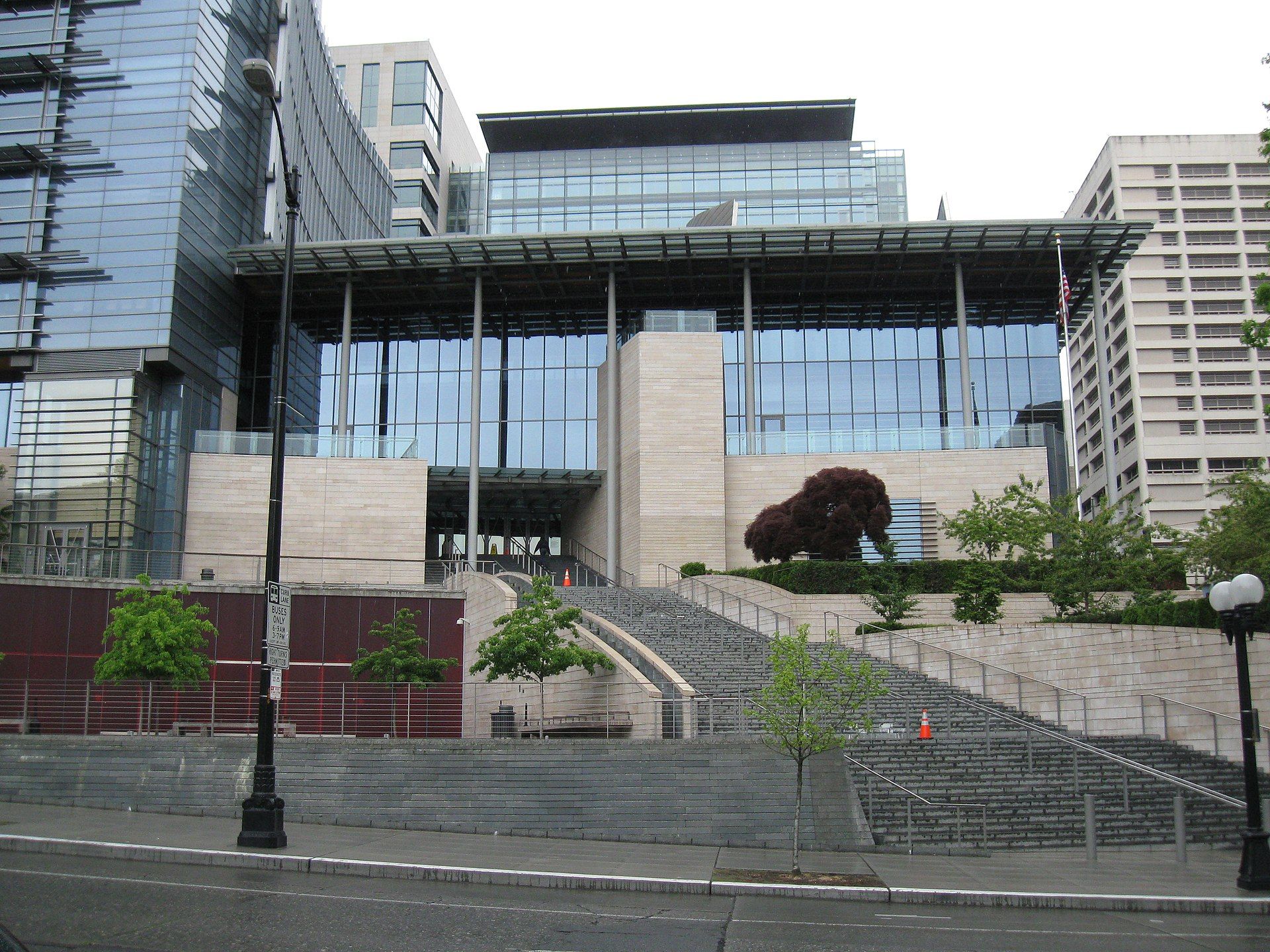
Seattle City Hall is a public building. Residents, activists, journalists, and political commentators have legitimate reasons to enter and observe their government.
But public access and special media privileges are not necessarily the same thing.
Seattle's City Council rules distinguish public access from media access and restrict entry to certain office areas.
That makes the circumstances of any special access particularly important.
Were these individuals admitted through ordinary public entrances? Did they receive media credentials? Were they invited into restricted spaces? Did city officials grant access unavailable to other independent reporters?
Those questions require answers before conclusions can be drawn.
There is also a larger concern about misinformation and accountability.
Political commentators are entitled to criticize elected officials. They are entitled to express unpopular views. But the public is equally entitled to challenge inaccurate reporting, misleading narratives, and the use of journalism credentials by individuals involved in political advocacy.
Freedom of the press is an essential constitutional protection. It does not eliminate professional scrutiny, and it does not require the public to treat every political influencer as an independent journalist.
Seattle should be transparent about how it grants access, what credentials are required, and whether those standards are consistently enforced.
The issue is not whether conservative voices should be allowed inside government buildings. The issue is whether special access is granted fairly, transparently, and under consistent rules.
Cup of Culture is seeking clarification about Seattle City Hall's media-access policies and the circumstances under which Choe, Hoffman, and Kruse have been admitted.
The public deserves clear answers.