Seattle Just Banned Data Centers. A Corporation May Have Already Beaten the Clock.
On June 9th, the Seattle City Council did something remarkable.
In a 9-0 unanimous vote, they passed a one-year moratorium on new large-scale data centers inside city limits. Every single council member. No dissent. It was a direct response to an unprecedented wave of public opposition — over 93,000 emails sent to city leaders, one of the largest public engagement moments in Seattle’s recent history on a land use issue.
Every public commenter at the June 3rd committee hearing spoke in favor of the ban.
Seattle became the largest city in the country to pause data center construction. And the crowd outside City Hall erupted.
But here’s what most people don’t know.
A corporation may have already slipped through the door before it closed.
Meet Digital Realty
Digital Realty is a Texas-based real estate investment trust with over 300 data centers worldwide. They’re not a small startup. They’re one of the largest data center operators on the planet.
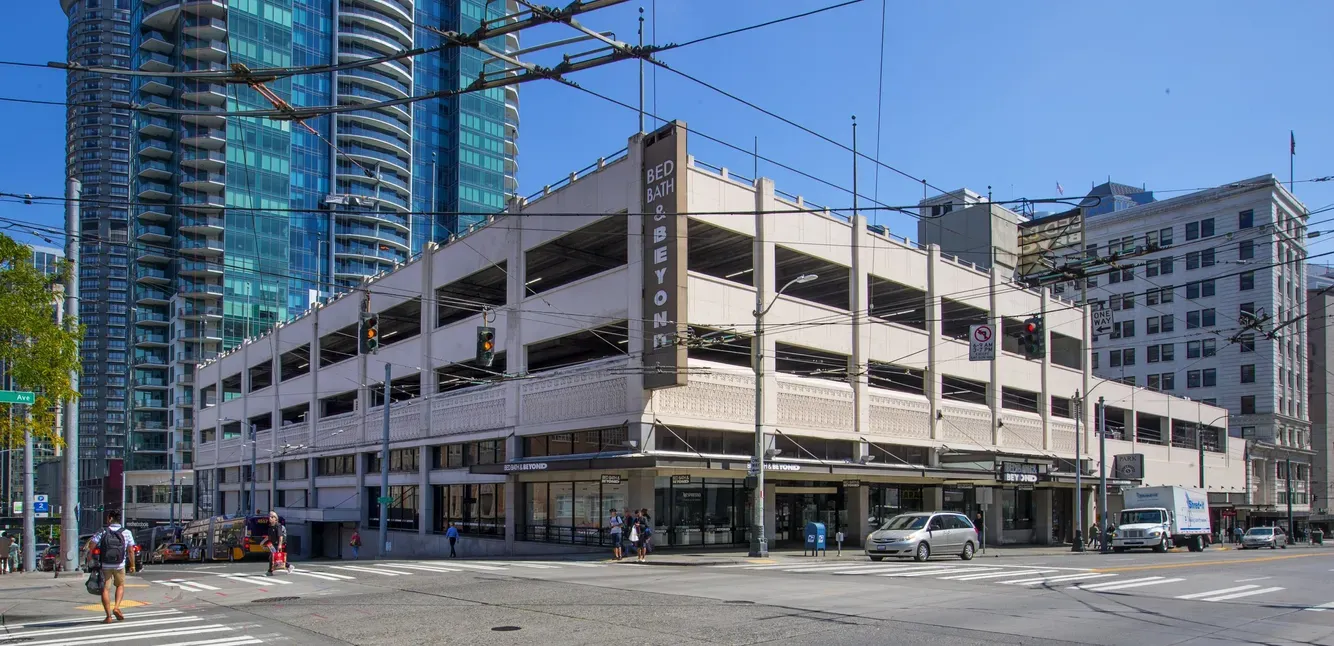
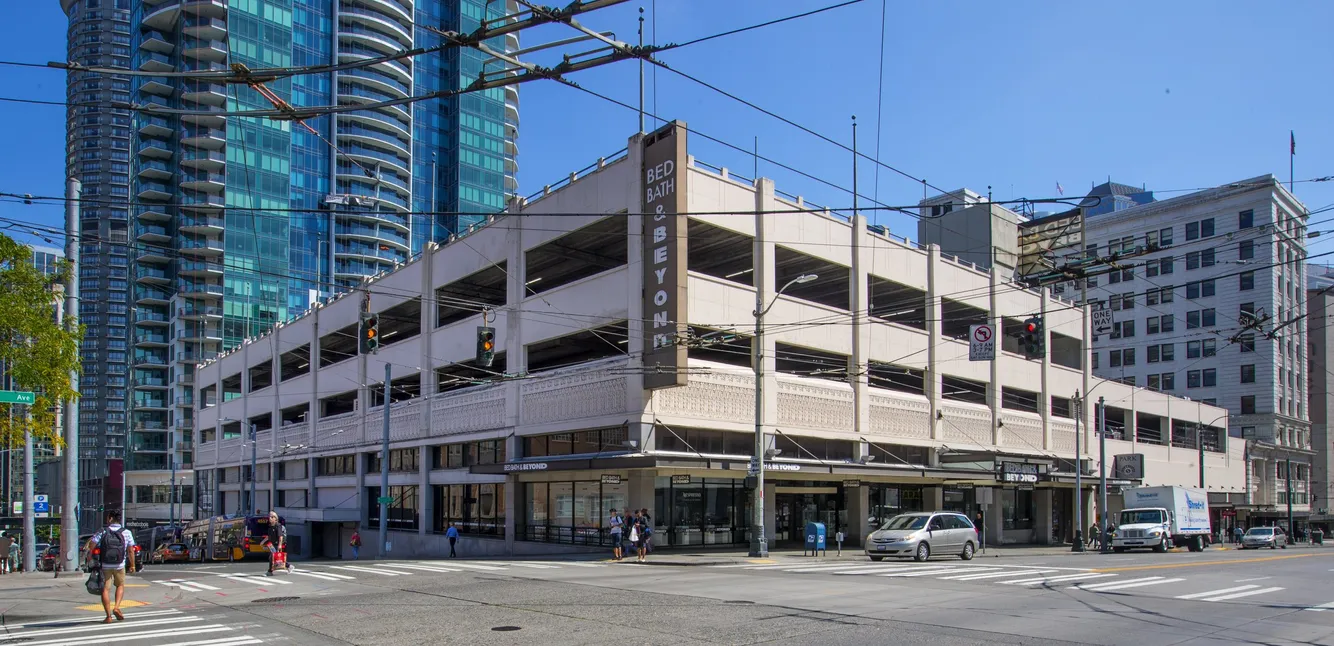
On May 29th — days before the council vote — Digital Realty quietly filed construction permits with the city of Seattle for a 380,000 square foot, six-story data center at 301 Virginia Street in downtown Seattle.
The site? The former Bed Bath & Beyond at the corner of Third and Virginia.
And here’s the kicker: the city’s own Department of Construction and Inspections confirmed that if all permits are in place before the moratorium takes effect, the project can still move forward.
Digital Realty knew exactly what they were doing.
What’s There Now
Before we talk about what they want to build, let’s talk about what they want to destroy.
That building isn’t sitting empty. It’s currently home to Cannonball Arts — a contemporary art and music venue from the producers of the Bumbershoot festival. It’s a living, breathing cultural space in the heart of downtown Seattle.
Digital Realty’s plan would demolish it entirely.
In its place: four floors of data center space, plus a research lab, offices, and some token retail. They’re calling it “Block 50.” They’re calling it “a highly connected, network-dense facility, not an AI data center.”
Sure.
Why This Moratorium Existed in the First Place
This wasn’t a fringe political move. The moratorium came in direct response to four companies approaching Seattle City Light about building five massive data center facilities with a combined electricity demand of 369 megawatts. That’s enough to power roughly 300,000 homes. About one-third of Seattle’s entire average daily electricity demand.
The concerns are real and they are serious:
The strain on Seattle City Light’s grid at a moment when the city is trying to electrify buildings and transportation. The water demands of industrial cooling systems during a statewide drought emergency declared in April 2026. Upward pressure on residential utility rates — meaning you and I pay more so corporations can run their servers. The deliberate siting of industrial-scale facilities in South Seattle communities that have historically borne the worst of pollution.
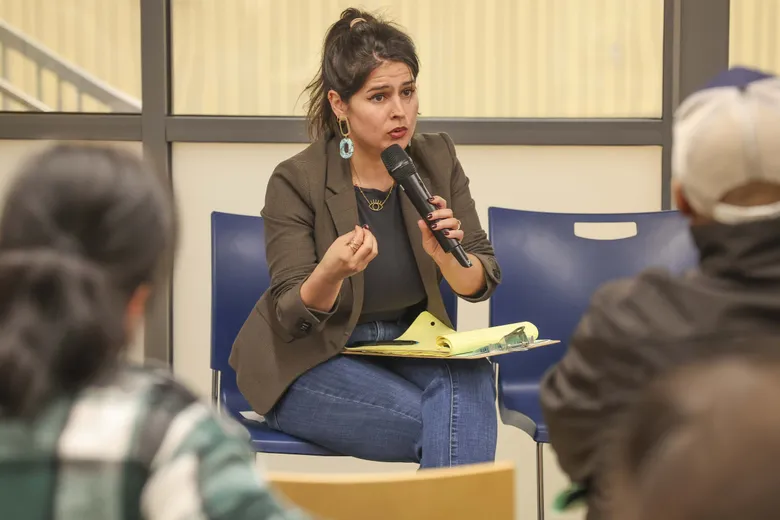
As Seattle City Councilmember Alexis Mercedes Rinck said before the vote: “If we do not legislate or regulate this right, the people will bear the brunt.”
She’s right.
The Loophole
The moratorium pauses the processing, acceptance, or approval of permits for data centers demanding more than 20 Megavolt-amperes of electricity. But Digital Realty filed on May 29th. The moratorium passed June 9th.
Whether their permits were sufficiently “in place” to be grandfathered in is still legally unclear. But the intent is obvious. They saw the moratorium coming and they moved fast to get ahead of it.
This is what corporations do. They don’t fight you in the streets. They file paperwork on a Friday afternoon before the vote and dare you to catch them.
Why This Matters Beyond Seattle
Seattle is not an isolated case. More than 70 cities and counties across the country have now passed temporary or permanent bans on new data centers, including Denver, New Orleans, and Minneapolis. New York is considering becoming the first state to ban large data center construction entirely.
The AI industry’s insatiable appetite for power and water is colliding with communities that are finally saying enough. Seattle’s 9-0 vote was a signal — not just to Digital Realty, but to every tech company watching.
But a signal only means something if it holds.
If Digital Realty gets to build anyway — if the loophole works — then the message corporations take away isn’t “Seattle stood up.” It’s “file your permits early.”
What You Can Do
Pay attention to this story. It’s not over.
The city will need to determine whether Digital Realty’s May 29th filings are sufficient to bypass the moratorium. Public pressure matters in that process. Contact your council member. Show up. Make noise.
Seattle just did something historic. Don’t let a Texas real estate trust undo it with a permit filing.
I'm Sean Bartley with Cup of Culture and The Progressive. If you want more coverage like this — local, national, and unapologetically progressive — become a paid subscriber at SeanBartley.substack.com/subscribe. This fight needs independent voices. Be one of them.