What is happening in Iran?
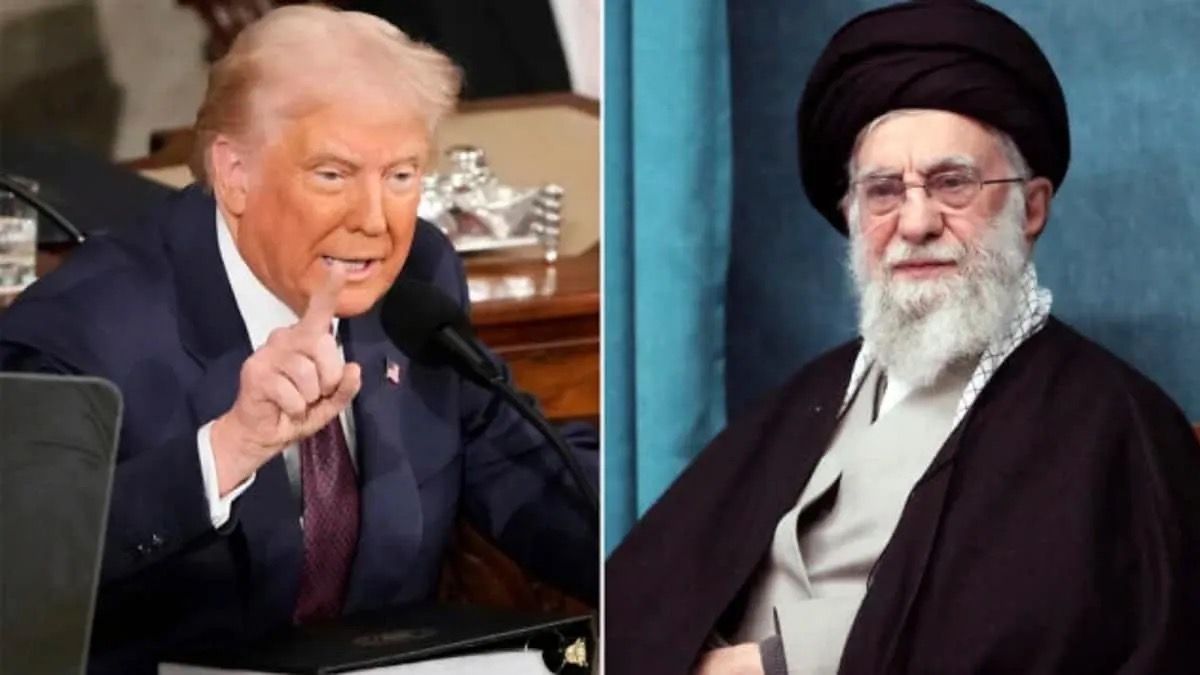
If you’ve been scrolling through the news lately and feeling overwhelmed by headlines about Iran, you’re not alone. The situation has escalated dramatically, and it’s worth taking a step back to understand what’s going on. Let me break it down for you.
The Months Leading Up to the Crisis
Before we get to the current conflict, you need to know what was happening behind the scenes. Late last year, Iran was already in serious trouble. The economy was tanking—inflation was skyrocketing, the rial was collapsing, and people were really struggling. Starting in late December, massive protests erupted across the country. These weren’t small demonstrations; they spread to over 100 cities and were being called the largest anti-government protests since the 1979 revolution.
The Iranian government’s response was harsh. Like, really harsh. Security forces cracked down violently on protesters, with some of the deadliest incidents happening in January 2026. The death toll estimates vary wildly depending on who you ask—the Iranian government said around 3,100 people died, but human rights groups put it much higher at around 7,000. The Trump administration claimed it was even more. The point is: hundreds or thousands of Iranians died, and there was widespread despair among the population.
The U.S. and Israel’s Massive Attack
Here’s where things took a dramatic turn. Over the past few days—we’re talking March 1 and 2, 2026—the United States and Israel launched a massive coordinated military attack on Iran. Like, a genuinely big deal kind of attack. The operation was apparently called “Operation Roaring Lion” by Israel and “Epic Fury” by the U.S. Department of Defense.
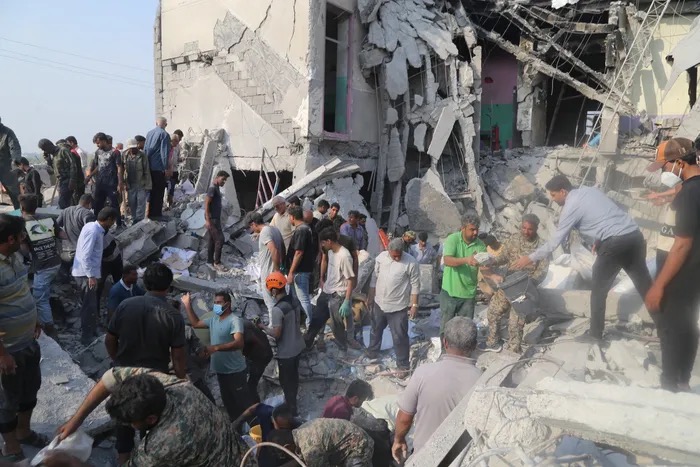
The scale was enormous. Israel’s air force alone dropped more than 1,200 munitions across 24 of Iran’s 31 provinces. The U.S. and Israel targeted key military facilities, government buildings, and leadership. And we’re talking major targets: the Tehran Revolutionary Court was destroyed, state radio and television headquarters were hit, and intelligence facilities were struck.
The Big One: Iran’s Supreme Leader is Dead
The most significant outcome of these strikes is something that would’ve seemed unthinkable just weeks ago: Iran’s Supreme Leader, Ayatollah Ali Khamenei, was killed. Khamenei was the second supreme leader of Iran since the 1979 revolution, so this is genuinely historic. When Iran confirmed his death, the country declared 40 days of national mourning. You can imagine the shock this sent through Iran and across the region.
Along with Khamenei, dozens of other senior Iranian officials were killed in the strikes. This included military commanders, intelligence officials, and other high-level government figures. The U.S. claimed it killed around 48 leaders, and some intelligence sources suggested the number could be even higher. The scope of the decapitation was significant.
Iran Hits Back
Iran didn’t just sit back and accept this. Pretty much immediately, they launched their own counterattack—waves of ballistic missiles and drones targeting U.S. military bases and Israeli positions across the Middle East and the Persian Gulf.
Iran struck at U.S. military assets in multiple countries: Bahrain (home to the U.S. Navy’s 5th Fleet), Saudi Arabia, Qatar, the United Arab Emirates, Iraq, Kuwait, and Oman. They also launched attacks on Israel directly. All told, Iran has struck at least nine different countries in the region. Some of these attacks were intercepted by air defenses, but others got through. And it’s not over yet—Iran has more firepower, and there are signs this could escalate further.
The Human Cost
This is the part that hits hardest. The death toll is already significant. On the Iranian side, preliminary figures show around 555 people have been killed so far. One of the deadliest strikes hit an elementary girls’ school in the city of Minab, killing around 180 children. That’s the kind of detail that tends to hit you in the gut.
On the other side, there’s been Israeli and U.S. military casualties. U.S. military personnel have been killed—at least four confirmed so far. Israeli civilians have also been killed and injured in Iranian strikes. And across the Gulf states, people in cities like Abu Dhabi, Doha, and Manama have been caught in the crossfire, with injuries and damage to infrastructure.
What Comes Next?
Here’s the thing: this isn’t over. Not by a long shot. Trump administration officials, including Secretary of State Marco Rubio, have basically said the hardest hits are yet to come. Trump himself said “the big one is coming soon.” So what we’re seeing right now is probably just the opening chapter of a much larger conflict.
Iran’s government is in unprecedented chaos after losing its supreme leader and dozens of top officials. The U.S. and Israel haven’t declared they’re finished either. There’s talk about regime change as a stated objective, which would mean this could continue for a very long time. Meanwhile, the Gulf states—who got hit by Iranian missiles they didn’t want—are in an awkward position, trying to figure out whether to get more involved or stay on the sidelines.
The Broader Context
What makes this especially significant is the buildup we didn’t fully see coming. In the weeks before the attack, Oman had been secretly mediating negotiations between the U.S. and Iran over Iran’s nuclear program. Reports suggest they’d actually reached a deal where Iran agreed to stop enriching uranium and dilute existing supplies—potentially better than the original Iran nuclear deal from 2015. And then, basically hours later, the U.S. and Israel launched strikes anyway. That’s either brilliant strategic timing or a massive middle finger to diplomacy, depending on who you ask.
There’s also the bigger picture of Iran’s position in the region. Over the past few years, Iran had been losing ground. They lost Syria as a major ally when Bashar al-Assad fled in 2024. Their proxies in Gaza (Hamas) and Lebanon (Hezbollah) have been weakened. Now, with their government leadership decimated, their position is even more precarious.
Bottom Line
What’s happening in Iran right now is a genuine geopolitical earthquake. You’ve got massive internal upheaval from economic collapse and protests, followed by a devastating military strike that killed the country’s top leader, followed by rapid retaliation that’s spreading conflict across the entire region. The U.S. and its allies are signaling they have more to do. Iran is mourning its dead and licking its wounds but not giving up.
This is a situation that could reshape the Middle East for years to come. And honestly, we’re probably just in the early stages of how this plays out.